Owning a vehicle comes with freedom and convenience, but it also comes with responsibility. Every car, truck, or SUV on the road depends on regular maintenance to stay safe, reliable, and efficient. When maintenance is neglected, small problems can quietly grow into expensive repairs or even leave you stranded.
Preventative maintenance is the simplest way to avoid breakdowns and protect your investment. A well-maintained vehicle lasts longer, performs better, and often saves you money over time. By following a simple checklist and staying on top of regular service intervals, you can keep your vehicle running smoothly for years to come.
Here are some preventative maintenance tips you should be aware of:
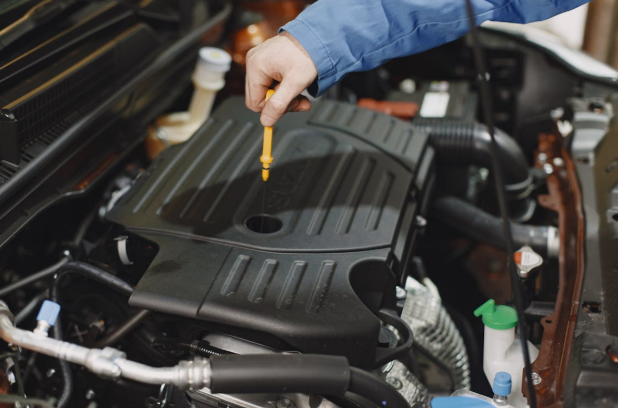
Oil is the lifeblood of your engine. It lubricates moving parts, reduces friction, helps control engine temperature, and prevents internal components from wearing prematurely.
Over time, engine oil breaks down and becomes contaminated with dirt and metal particles. When that happens, it loses its ability to properly protect the engine.
Ignoring oil changes can lead to serious engine damage, reduced fuel efficiency, and costly repairs. A simple oil change is one of the most affordable services you can perform, yet it plays a major role in extending engine life.
During an oil change, technicians will often inspect other important components as well, including belts, hoses, and fluid levels. This allows potential issues to be identified before they become serious problems.
Your vehicle relies on several different filters to keep systems clean and operating efficiently. These include the engine air filter, cabin air filter, oil filter, and fuel filter.
The engine air filter prevents dirt and debris from entering the engine. When it becomes clogged, airflow is restricted, which can reduce performance and fuel economy.
The cabin air filter improves air quality inside your vehicle by filtering dust, pollen, and pollutants. A dirty cabin filter can reduce airflow from your vents and affect heating and cooling performance.
Oil filters trap contaminants from engine oil, while fuel filters keep debris from entering the fuel system. Replacing these filters according to recommended intervals helps protect key components and maintain optimal performance.
A quick filter inspection during routine service can reveal whether replacements are needed.
Modern vehicles rely on several important fluids that keep different systems working properly. These fluids include:
Each fluid plays a specific role in protecting vehicle components and maintaining performance.
Transmission fluid allows smooth gear changes and protects internal transmission parts. Brake fluid transfers pressure from the brake pedal to the braking system. Coolant prevents the engine from overheating.
When fluid levels drop or fluids become contaminated, systems may not work correctly. Regular fluid inspections and periodic fluid flushes help ensure everything continues operating as intended.
Preventative fluid service can also extend the lifespan of expensive components like transmissions and cooling systems.
Your braking system is one of the most important safety systems in your vehicle. Regular inspections help ensure your car can stop quickly and safely when needed.
Brake pads naturally wear down with use. When they become too thin, braking performance decreases, and metal components may begin grinding against each other. This can damage rotors and significantly increase repair costs.
Warning signs of brake issues include:
If you notice any of these symptoms, it is important to have your brakes inspected as soon as possible. Routine brake inspections can identify worn pads, damaged rotors, or fluid problems before they become dangerous.
Your vehicle’s cooling system keeps the engine operating within the correct temperature range. Without proper cooling, engines can quickly overheat and suffer serious damage.
Key components of the cooling system include the radiator, water pump, thermostat, hoses, and coolant.
Coolant gradually loses its protective properties over time and should be flushed according to the manufacturer’s maintenance schedule. Old coolant can lead to corrosion, clogged passages, and overheating.
Drivers should also watch for warning signs such as rising temperature gauges, coolant leaks, or sweet-smelling odors coming from the engine bay.
Regular cooling system inspections help catch these problems early and prevent major engine repairs.
Your suspension system plays a critical role in ride comfort, vehicle stability, and tire wear. Components like shocks, struts, control arms, and bushings absorb road impacts and keep your vehicle stable during turns and braking.
As these components wear, you may notice symptoms such as:
Steering components also experience wear over time. Tie rods and ball joints help maintain proper wheel alignment and steering control.
Routine inspections allow worn suspension or steering components to be replaced before they affect safety or cause additional damage.
Many vehicles use a timing belt to synchronize the rotation of the engine’s crankshaft and camshaft. This precise timing allows the engine’s valves to open and close at the correct moments.
Timing belts typically need replacement every 60,000 to 100,000 miles, depending on the vehicle.
If a timing belt fails while driving, it can cause severe engine damage. Because timing belts often show few visible warning signs before failure, preventative replacement is critical.
Replacing the timing belt at the recommended interval protects the engine and helps avoid extremely costly repairs.
Your vehicle depends on a network of electrical components to start and operate correctly. This system includes the battery, starter motor, alternator, and numerous wiring connections.
The battery provides the power needed to start the engine, while the alternator keeps the battery charged while the vehicle is running.
Over time, batteries lose their ability to hold a charge. Most car batteries last between three and five years.
Signs of electrical issues can include slow engine cranking, dim headlights, dashboard warning lights, or intermittent starting problems.
Routine battery testing and electrical system inspections help prevent unexpected failures.
Tires play a major role in vehicle safety, fuel economy, and handling. Even well-maintained vehicles can experience poor performance if tires are neglected.
Drivers should check tire pressure regularly, especially when temperatures change. Underinflated tires wear faster and reduce fuel efficiency.
Tire rotations are also important. Rotating tires every 5,000 to 7,500 miles helps ensure even wear and extends tire life.
In addition, wheel alignments help maintain proper tire angles. Misaligned wheels can cause uneven tire wear and make your vehicle pull to one side.
Proper tire maintenance improves safety while helping drivers get the most life out of their tires.
Even the most careful drivers cannot spot every potential issue under the hood. Professional inspections provide an extra layer of protection against hidden problems.
During a preventative maintenance inspection, trained technicians evaluate major systems such as:
Catching small problems early prevents them from developing into major repairs later.
Routine inspections are especially helpful before long road trips or during seasonal changes.
If you want your vehicle to stay dependable for years to come, preventative maintenance is the best strategy.
Drivers in the Richmond area who want reliable, professional care for their vehicles can count on the experienced team at Wallace Automotive. With more than 30 years of experience and a reputation for honest service, their technicians provide everything from routine maintenance to advanced diagnostics and repairs.
Whether you drive a daily commuter, a family SUV, or a vehicle from brands like Honda, Acura, Toyota, or Lexus, the team has the tools and expertise to keep it performing at its best.
If your vehicle is due for service or you simply want a professional inspection, schedule an appointment with Wallace Automotive today. Their friendly team will help you stay ahead of potential issues and keep your car running safely and smoothly on Richmond’s roads.
Comments are closed